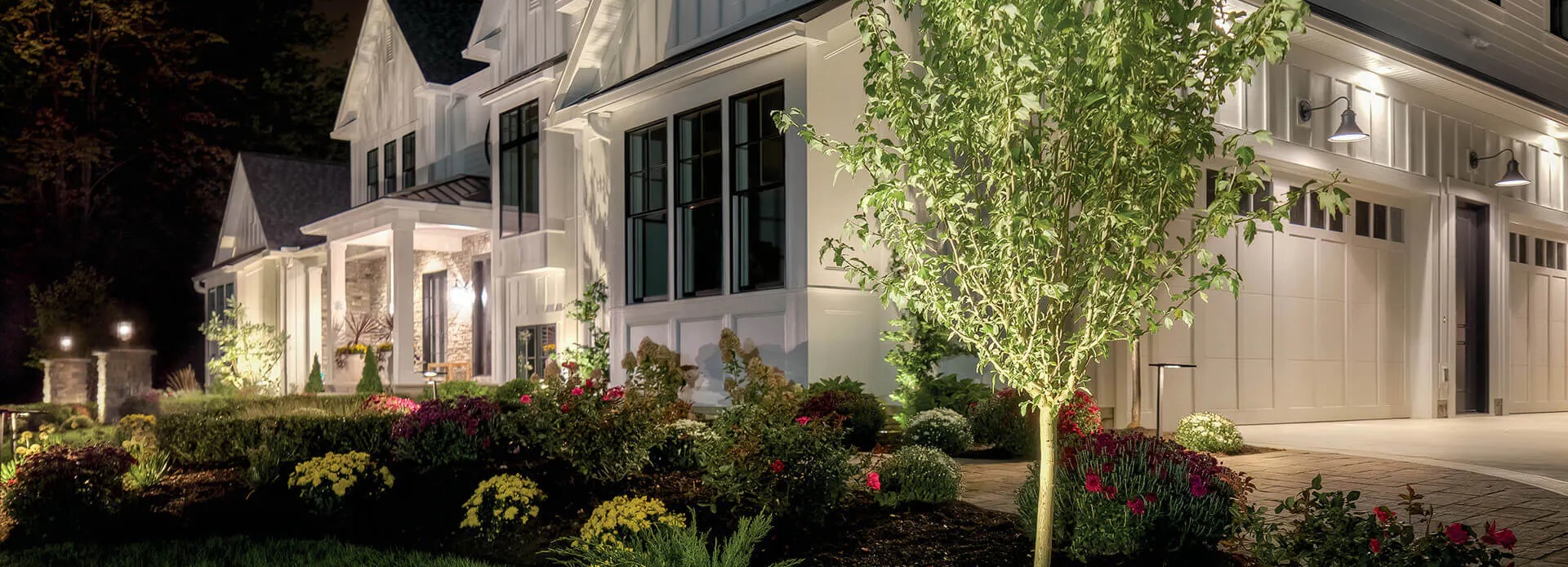
Kichler Landscape Lighting
- Available to Order | Typically Arrives in 1 - 3 Weeks From California USA47 – Loyalty Rewards
- Edmonton Stock: 3
10 lm Hardscape Light · 12V 2700K · 3.5 in Textured Gray · Kichler 16100GRY27
16100GRY27
123 – Loyalty Rewards10 lm Hardscape Light · 12V 3000K · 3 in adjustable undercap · Kichler 16100BKT30
16100BKT30
Available to Order | Typically Arrives in 1 - 3 Weeks From California USA123 – Loyalty Rewards10 lm LED hardscape light · 12V · 3 in textured black undercap fixture · Kichler 16100BKT27
16100BKT27
Available to Order | Typically Arrives in 1 - 3 Weeks From California USA123 – Loyalty Rewards10 lm LED hardscape light · 12V · 3 in textured gray · Kichler 16100GRY30
16100GRY30
Available to Order | Typically Arrives in 1 - 3 Weeks From California USA123 – Loyalty Rewards10 lm LED hardscape light · 3.5 in · 12V · 3000K architectural bronze · Kichler 16100AZT30
16100AZT30
Available to Order | Typically Arrives in 1 - 3 Weeks From California USA123 – Loyalty Rewards100 lm Mini All-Purpose Recessed Inground Light · 12V · 2700K · Centennial Brass · Kichler 16140CBR27
16140CBR27
Available to Order | Typically Arrives in 1 - 3 Weeks From California USA243 – Loyalty Rewards100 lm Mini Recessed In-Ground Light · 12V 2700K LED · Stainless Steel · Kichler 16140SS27
16140SS27
Available to Order | Typically Arrives in 1 - 3 Weeks From California USA243 – Loyalty Rewards100-300 lm Landscape LED Spot Light · 15° Narrow Beam · 12V Textured Black VLO · Kichler 16015BKT27
16015BKT27
Available to Order | Typically Arrives in 1 - 3 Weeks From California USA320 – Loyalty Rewards100/200/300 lm Landscape LED Accent Flood Light · 12V · 60° Wide Flood, 3000K, Textured Black · Kichler 16017BKT30
16017BKT30
Available to Order | Typically Arrives in 1 - 3 Weeks From California USA306 – Loyalty Rewards100/200/300 lm Landscape LED Flood Light · 12V · 3000K 35° Beam · White Finish · Kichler 16016WHT30
16016WHT30
Available to Order | Typically Arrives in 1 - 3 Weeks From California USA306 – Loyalty Rewards100/200/300 lm Landscape Wide Flood Light · 12V · 60° Beam · Bronze Finish · Kichler 16017AZT27
16017AZT27
Available to Order | Typically Arrives in 1 - 3 Weeks From California USA306 – Loyalty Rewards1000 lm LED landscape flood light · 3000K 12W 120-277V · knuckle mount, textured architectural bronze · Kichler 16221AZT30
16221AZT30
Available to Order | Typically Arrives in 1 - 3 Weeks From California USA390 – Loyalty Rewards120 lm Path Light · 12V · 2700K Warm White · Textured Architectural Bronze · Kichler 15821AZT27
15821AZT27
Available to Order | Typically Arrives in 1 - 3 Weeks From California USA320 – Loyalty Rewards1200 lm LED Landscape Accent Light · 14.3W 3000K 55° Beam · 120-277V Bronze Finish · Kichler 16217AZT30
16217AZT30
Available to Order | Typically Arrives in 1 - 3 Weeks From California USA502 – Loyalty Rewards1200 lm LED landscape accent light · 14.3W 3000K 33° beam · 120V-277V line voltage, textured black · Kichler 16216BKT30
16216BKT30
Available to Order | Typically Arrives in 1 - 3 Weeks From California USA502 – Loyalty Rewards125 lm Hardscape Light · 12V 3000K LED · 18 in Undercap Bronze · Kichler 16103AZT30
16103AZT30
Available to Order | Typically Arrives in 1 - 3 Weeks From California USA320 – Loyalty Rewards125 lm Hardscape Light · 12V · 18 in Gray 2700K · Kichler 16103GRY27
16103GRY27
Available to Order | Typically Arrives in 1 - 3 Weeks From California USA320 – Loyalty Rewards125 lm Hardscape Light · 18 in 12V 3000K · Textured Gray Integrated LED · Kichler 16103GRY30
16103GRY30
Available to Order | Typically Arrives in 1 - 3 Weeks From California USA320 – Loyalty Rewards- Edmonton Stock: 1
125 lm LED hardscape light · 18 in 12V 2700K bronze · 270° pivot · Kichler 16103AZT27
16103AZT27
Available to Order | Typically Arrives in 1 - 3 Weeks From California USA320 – Loyalty Rewards125 lm LED hardscape light · 18 in 12V 3000K · textured black integrated fixture · Kichler 16103BKT30
16103BKT30
Available to Order | Typically Arrives in 1 - 3 Weeks From California USA320 – Loyalty Rewards126 lm LED path light · 12V · broad roof bronze finish · Kichler 15833AZT27R
15833AZT27R
Available to Order | Typically Arrives in 1 - 3 Weeks From California USA477 – Loyalty Rewards1263 lm LED large accent spotlight 33° beam, 14.1W, 3000K, 120-277V, textured architectural bronze · Kichler 16216AZT30
16216AZT30
Available to Order | Typically Arrives in 1 - 3 Weeks From California USA502 – Loyalty Rewards1312 lm LED large accent spotlight 15° beam · 14.6 W, 3000K, 120-277V, textured architectural bronze · Kichler 16215AZT30
16215AZT30
Available to Order | Typically Arrives in 1 - 3 Weeks From California USA502 – Loyalty Rewards160 lm LED path light · 12V · 2700K warm white · textured black · Kichler 15820BKT27
15820BKT27
Available to Order | Typically Arrives in 1 - 3 Weeks From California USA341 – Loyalty Rewards160 lm LED path light · 12V · 2700K warm white, textured architectural bronze · Kichler Lighting 15820AZT27
15820AZT27
Available to Order | Typically Arrives in 1 - 3 Weeks From California USA341 – Loyalty Rewards160 lm LED path light · 12V · 3000K warm white · short stepped dome, textured architectural bronze · Kichler 15821AZT
15821AZT
Available to Order | Typically Arrives in 1 - 3 Weeks From California USA320 – Loyalty Rewards160 lm LED path light · 12V · 3000K · textured architectural bronze · Kichler 15803AZT30R
15803AZT30R
Available to Order | Typically Arrives in 1 - 3 Weeks From California USA383 – Loyalty Rewards160 lm Path Light · 12V 2700K LED · Textured Architectural Bronze · Kichler 15803AZT27R
15803AZT27R
Available to Order | Typically Arrives in 1 - 3 Weeks From California USA383 – Loyalty Rewards160 lm Path Light · 12V 2700K · Copper Finish · Kichler 15820CO27
15820CO27
Available to Order | Typically Arrives in 1 - 3 Weeks From California USA509 – Loyalty Rewards160 lm Path Light · 12V 2700K · Textured Black Stepped Dome · Kichler 15821BKT27
15821BKT27
Available to Order | Typically Arrives in 1 - 3 Weeks From California USA320 – Loyalty Rewards160 lm Path Light · 12V 3000K · Textured Architectural Bronze · Kichler 15820AZT
15820AZT
Available to Order | Typically Arrives in 1 - 3 Weeks From California USA341 – Loyalty Rewards168 lm LED path light 12V · 2700K warm white · pierced dome, textured architectural bronze · Kichler 15857AZT27R
15857AZT27R
Available to Order | Typically Arrives in 1 - 3 Weeks From California USA327 – Loyalty Rewards168 lm LED path light · 12V 2700K · Pyramid, textured tannery bronze · Kichler 15802TZT27R
15802TZT27R
Available to Order | Typically Arrives in 1 - 3 Weeks From California USA404 – Loyalty Rewards168 lm LED path light · 12V · 2700K warm white · round tiered textured black · Kichler 16124BKT27
16124BKT27
Available to Order | Typically Arrives in 1 - 3 Weeks From California USA362 – Loyalty Rewards168 lm LED path light · 12V · 2700K · hammered roof bronze finish · Kichler 15871TZT27
15871TZT27
Available to Order | Typically Arrives in 1 - 3 Weeks From California USA411 – Loyalty Rewards168 lm Path Light · 12V 2700K LED · Round Tiered Aged Bronze · Kichler 16124AGZ27
16124AGZ27
Available to Order | Typically Arrives in 1 - 3 Weeks From California USA362 – Loyalty Rewards- Edmonton Stock: 2
- Edmonton Stock: 7
1800 lm LED landscape accent light · 21W 3000K 15° beam · 120-277V bronze large accent · Kichler 16218AZT30
16218AZT30
Available to Order | Typically Arrives in 1 - 3 Weeks From California USA586 – Loyalty Rewards1800 lm LED landscape accent light · 21W 3000K 33° beam 120-277V · textured architectural bronze · Kichler 16219AZT30
16219AZT30
Available to Order | Typically Arrives in 1 - 3 Weeks From California USA579 – Loyalty Rewards1800 lm LED landscape accent spotlight · 21W 3000K 15° beam · 120-277V integrated LED textured black · Kichler 16218BKT30
16218BKT30
Available to Order | Typically Arrives in 1 - 3 Weeks From California USA579 – Loyalty Rewards1800 lm Large Accent Light · 21W LED · 15° Beam · 4000K · 120-277V · Textured Architectural Bronze · Kichler 16218AZT40
16218AZT40
Available to Order | Typically Arrives in 1 - 3 Weeks From California USA493 – Loyalty Rewards1800 lm Large LED Accent Light · 21W 3000K 55° Beam · 120-277V Textured Black · Kichler 16220BKT30
16220BKT30
Available to Order | Typically Arrives in 1 - 3 Weeks From California USA579 – Loyalty Rewards1800 lm Large LED Accent Light · 21W 3000K 55° Beam · 120-277V Wet Location Bronze · Kichler 16220AZT30
16220AZT30
Available to Order | Typically Arrives in 1 - 3 Weeks From California USA579 – Loyalty Rewards1800 lm Large Landscape Accent Light · 21W 3000K 33° Beam · 120-277V Textured Black · Kichler 16219BKT30
16219BKT30
Available to Order | Typically Arrives in 1 - 3 Weeks From California USA579 – Loyalty Rewards182 lm LED Path Light · 3000K · Round Tiered Textured Black · Kichler 16124BKT30
16124BKT30
Available to Order | Typically Arrives in 1 - 3 Weeks From California USA362 – Loyalty Rewards182 lm LED path light 12V 3000K · Pierced dome, 22-1/4 in (565 mm), textured architectural bronze · Kichler 15857AZT30R
15857AZT30R
Available to Order | Typically Arrives in 1 - 3 Weeks From California USA327 – Loyalty Rewards182 lm LED path light · 12V · 3000K · round tiered aged bronze · Kichler 16124AGZ30
16124AGZ30
Available to Order | Typically Arrives in 1 - 3 Weeks From California USA362 – Loyalty Rewards183 lm LED path light · 12V 3000K · Pyramid shade textured tannery bronze · Kichler 15802TZT30R
15802TZT30R
Available to Order | Typically Arrives in 1 - 3 Weeks From California USA404 – Loyalty Rewards200 lm LED landscape flood light · 2700K · 35° beam · black 12V · Kichler 16151BKT27
16151BKT27
Available to Order | Typically Arrives in 1 - 3 Weeks From California USA194 – Loyalty Rewards200 lm LED landscape flood light · 2700K · 35° beam · textured architectural bronze · Kichler 16151AZT27
16151AZT27
Available to Order | Typically Arrives in 1 - 3 Weeks From California USA194 – Loyalty Rewards200 lm LED landscape flood light · 3000K · 35° beam · textured architectural bronze · Kichler 16151AZT30
16151AZT30
Available to Order | Typically Arrives in 1 - 3 Weeks From California USA194 – Loyalty Rewards200 lm LED landscape flood light · 3000K · 35° beam · textured black · Kichler 16151BKT30
16151BKT30
Available to Order | Typically Arrives in 1 - 3 Weeks From California USA194 – Loyalty Rewards200 lm LED landscape spot light · 2700K 10° beam 12V · textured black · Kichler 16150BKT27
16150BKT27
Available to Order | Typically Arrives in 1 - 3 Weeks From California USA208 – Loyalty Rewards200 lm LED landscape spot light · 2700K · 10° beam · Textured architectural bronze · Kichler 16150AZT27
16150AZT27
Available to Order | Typically Arrives in 1 - 3 Weeks From California USA208 – Loyalty Rewards200 lm LED landscape spot light · 3000K · 10° beam · Centennial Brass · Kichler 16150CBR30
16150CBR30
Available to Order | Typically Arrives in 1 - 3 Weeks From California USA250 – Loyalty Rewards200 lm LED landscape spot light · 3000K · 10° beam · textured architectural bronze · Kichler 16150AZT30
16150AZT30
Available to Order | Typically Arrives in 1 - 3 Weeks From California USA208 – Loyalty Rewards200 lm Landscape LED Flood Light · 2700K · 60° Wide Flood · Textured Black · Kichler 16152BKT27
16152BKT27
Available to Order | Typically Arrives in 1 - 3 Weeks From California USA194 – Loyalty Rewards

Quick Decision Summary
- Kichler Landscape Lighting is commonly selected for coordinated outdoor lighting systems that need matching fixture styles across paths, planting beds, facades, steps, and decks.
- Typical buying decisions come down to fixture type, beam control, finish, transformer capacity, cable run length, and long-term serviceability.
- Path lights are generally used for walkways and soft area lighting, while spot lights are better for trees, walls, signs, and architectural accents.
- Transformer sizing is usually based on total connected wattage with spare capacity added for voltage drop, future additions, and easier loading.
- For Canadian installations, confirm wet-location suitability, burial method, cable type, and local code requirements before final selection and installation.
Kichler Landscape Lighting is used on residential, multi-unit, hospitality, and light commercial outdoor projects where appearance, fixture family consistency, and practical low-voltage layout matter. Buyers often look at Kichler when they want path lights, spot lights, transformers, and deck lights from one brand family so finishes and light distribution stay more consistent across the site. For contractors and maintenance teams, the main considerations are usually beam spread, mounting style, transformer loading, cable routing, and how easy the system will be to service after the landscaping is complete.
What Are Kichler Landscape Lighting Products?
Kichler Landscape Lighting products are outdoor lighting components used to build low-voltage landscape and architectural lighting systems. The range typically includes path lights for pedestrian areas, spot lights for accent and uplighting, transformers for power conversion and system control, and deck lights for steps, railings, and outdoor living spaces. In practice, buyers choose a brand page like this when they want a coordinated system rather than mixing unrelated fixture families. That can simplify finish matching, replacement planning, and overall visual consistency across the project.
Where Are Kichler Landscape Lighting Products Used?
These products are commonly used around homes, condo landscapes, townhouse developments, restaurants, hotels, and commercial entrances. Path lights are often installed along walkways, garden edges, and drive approaches. Spot lights are used to highlight trees, columns, stonework, flags, signs, and building facades. Deck lights are suited to stairs, posts, seating walls, and outdoor kitchens where low-glare marker lighting is preferred. Transformers are typically mounted near the service point or in another accessible location that supports maintenance and sensible cable routing. On larger properties, layout quality matters as much as fixture choice because long runs and uneven loading can create visible brightness differences.
How To Choose Kichler Landscape Lighting
Start with the lighting task, not the fixture style. If the goal is safe wayfinding, path lights and deck lights usually make more sense than narrow-beam spot lights. If the goal is drama or feature emphasis, spot lights are usually the better fit. Next, look at beam spread, lumen output, mounting method, finish, and whether the fixture will remain accessible after planting or hardscape work is complete. Then size the transformer around the connected load and cable layout, not just the fixture count. It is also worth considering whether the project may expand later, because adding spare transformer capacity and planning cable routes early is usually easier than rebuilding the system after the landscape is finished.
Trade Rules Of Thumb
For low-voltage landscape lighting, a common rule of thumb is to size the transformer at about total connected wattage x 1.25 to leave room for normal loading margin and future additions. Another common target is to keep voltage drop below approximately 10 percent, especially where fixture brightness uniformity matters. For cable selection, 16 AWG is often used on shorter lighter-load runs, 14 AWG on medium runs, and 12 AWG on longer runs or heavier branches, but the actual choice depends on load, distance, and layout. Path lights are usually spaced by visual effect rather than a fixed distance, since mounting height, shield design, and surrounding surfaces all affect coverage. These are practical estimating guidelines only and are not a substitute for manufacturer instructions, voltage-drop calculations, or applicable electrical code requirements.
Sizing Guidelines
When sizing a Kichler landscape lighting system, first total the fixture wattage or driver load for each branch. Then review the longest cable runs and identify where voltage drop may become noticeable. A smaller system with short balanced runs may perform well on lighter cable, while a larger yard with multiple spot lights and long perimeter runs may need heavier cable or a different layout strategy. Transformer selection should consider total load, available taps if applicable, control method, and whether the installation may later add deck lights or extra accent fixtures. For spot lights, beam angle and aiming distance matter as much as wattage because a narrow beam can create a strong highlight with less spill, while a wider beam may need different placement to avoid wasted light. Final sizing should always be confirmed against the actual fixture schedule, cable route, and installation instructions.
Common Installation Practices
Good installations usually start with a simple lighting plan that separates path lighting, accent lighting, and deck or step lighting into logical branches. Installers often place transformers where they remain accessible for service and timer or control adjustment. Cable routing is typically planned to reduce unnecessary run length and avoid future damage from edging, aeration, or planting work. Spot lights are commonly aimed at night rather than only in daylight, since glare and shadowing are easier to judge after dark. Deck and step lights are generally positioned to mark walking surfaces without creating direct glare into seated or standing sightlines. Burial depth, cable protection, wet-location fittings, and connection methods should follow the product instructions and local code requirements.
Common Mistakes
One common mistake is undersizing the transformer so the system works on day one but leaves no room for expansion or suffers from uneven output on longer runs. Another is treating all outdoor lighting tasks the same and using path lights where a shielded deck light or a properly aimed spot light would perform better. Over-lighting is also common, especially on residential projects where too many bright fixtures can flatten the landscape and create glare instead of depth. Poor cable planning can lead to difficult troubleshooting later, particularly when splices are buried in inaccessible areas. Buyers should also avoid assuming that fixture appearance alone determines suitability. Mounting conditions, beam control, service access, and environmental exposure usually matter just as much as style.
Brand Comparisons
Kichler is commonly cross-shopped by buyers who want decorative outdoor lighting with a coordinated family look across multiple fixture types. In many projects, the appeal is not only the individual fixture but the ability to keep the visual language consistent from path lights to accent lights to deck lighting. When comparing brands in the broader market, some buyers prioritise design continuity and residential curb appeal, while others focus more heavily on commercial-grade standardisation, optical control, or replacement compatibility with an existing installed base. If a property already uses one landscape lighting brand extensively, matching that installed system may be the most practical choice for finish consistency and maintenance. If the project is new, Kichler may be a sensible option where style coordination and a complete low-voltage system approach are important. Final comparison should be based on fixture style, serviceability, beam options, transformer strategy, and project budget rather than brand name alone.
Related Products
Related products often include low-voltage landscape cable, direct-burial connectors, photocells, timers, smart controls, mounting stakes, junction accessories, replacement lamps where applicable, and weather-resistant enclosures or covers for control equipment. Buyers planning a complete outdoor lighting package may also need path lights, spot lights, transformers, and deck lights from the same family to keep finish and light effect more consistent. On larger jobs, it is also worth reviewing spare cable, extra connectors, and service parts at the time of purchase so future maintenance does not require reopening finished landscape areas.
Frequently Asked Questions
Is Kichler Landscape Lighting mainly for residential projects?
It is commonly used on residential projects, but it can also suit multi-unit, hospitality, and light commercial outdoor spaces where decorative appearance and coordinated fixture families are important.
What is the difference between Kichler path lights and spot lights?
Path lights are generally used for low-level area and walkway illumination, while spot lights are intended for accenting trees, walls, signs, and architectural features with a more directed beam.
How do I size a transformer for landscape lighting?
A typical starting point is the total connected fixture wattage plus spare capacity, often around 25 percent. The final choice should also consider cable length, voltage drop, branch layout, and possible future expansion.
Are deck lights enough for stair safety on their own?
They can help mark edges and improve visibility, but the right layout depends on stair geometry, mounting position, glare control, and the overall lighting plan. Confirm the design against the site conditions and applicable requirements.
Can I mix different landscape lighting fixture types on one system?
Yes, that is common, provided the transformer is properly sized and the cable layout is planned to manage load and voltage drop. Many projects combine path lights, spot lights, and deck lights on the same low-voltage system.
Quick Decision Summary
- Kichler Landscape Lighting is commonly selected for coordinated outdoor lighting systems that need matching fixture styles across paths, planting beds, facades, steps, and decks.
- Typical buying decisions come down to fixture type, beam control, finish, transformer capacity, cable run length, and long-term serviceability.
- Path lights are generally used for walkways and soft area lighting, while spot lights are better for trees, walls, signs, and architectural accents.
- Transformer sizing is usually based on total connected wattage with spare capacity added for voltage drop, future additions, and easier loading.
- For Canadian installations, confirm wet-location suitability, burial method, cable type, and local code requirements before final selection and installation.
Kichler Landscape Lighting is used on residential, multi-unit, hospitality, and light commercial outdoor projects where appearance, fixture family consistency, and practical low-voltage layout matter. Buyers often look at Kichler when they want path lights, spot lights, transformers, and deck lights from one brand family so finishes and light distribution stay more consistent across the site. For contractors and maintenance teams, the main considerations are usually beam spread, mounting style, transformer loading, cable routing, and how easy the system will be to service after the landscaping is complete.
What Are Kichler Landscape Lighting Products?
Kichler Landscape Lighting products are outdoor lighting components used to build low-voltage landscape and architectural lighting systems. The range typically includes path lights for pedestrian areas, spot lights for accent and uplighting, transformers for power conversion and system control, and deck lights for steps, railings, and outdoor living spaces. In practice, buyers choose a brand page like this when they want a coordinated system rather than mixing unrelated fixture families. That can simplify finish matching, replacement planning, and overall visual consistency across the project.
Where Are Kichler Landscape Lighting Products Used?
These products are commonly used around homes, condo landscapes, townhouse developments, restaurants, hotels, and commercial entrances. Path lights are often installed along walkways, garden edges, and drive approaches. Spot lights are used to highlight trees, columns, stonework, flags, signs, and building facades. Deck lights are suited to stairs, posts, seating walls, and outdoor kitchens where low-glare marker lighting is preferred. Transformers are typically mounted near the service point or in another accessible location that supports maintenance and sensible cable routing. On larger properties, layout quality matters as much as fixture choice because long runs and uneven loading can create visible brightness differences.
How To Choose Kichler Landscape Lighting
Start with the lighting task, not the fixture style. If the goal is safe wayfinding, path lights and deck lights usually make more sense than narrow-beam spot lights. If the goal is drama or feature emphasis, spot lights are usually the better fit. Next, look at beam spread, lumen output, mounting method, finish, and whether the fixture will remain accessible after planting or hardscape work is complete. Then size the transformer around the connected load and cable layout, not just the fixture count. It is also worth considering whether the project may expand later, because adding spare transformer capacity and planning cable routes early is usually easier than rebuilding the system after the landscape is finished.
Trade Rules Of Thumb
For low-voltage landscape lighting, a common rule of thumb is to size the transformer at about total connected wattage x 1.25 to leave room for normal loading margin and future additions. Another common target is to keep voltage drop below approximately 10 percent, especially where fixture brightness uniformity matters. For cable selection, 16 AWG is often used on shorter lighter-load runs, 14 AWG on medium runs, and 12 AWG on longer runs or heavier branches, but the actual choice depends on load, distance, and layout. Path lights are usually spaced by visual effect rather than a fixed distance, since mounting height, shield design, and surrounding surfaces all affect coverage. These are practical estimating guidelines only and are not a substitute for manufacturer instructions, voltage-drop calculations, or applicable electrical code requirements.
Sizing Guidelines
When sizing a Kichler landscape lighting system, first total the fixture wattage or driver load for each branch. Then review the longest cable runs and identify where voltage drop may become noticeable. A smaller system with short balanced runs may perform well on lighter cable, while a larger yard with multiple spot lights and long perimeter runs may need heavier cable or a different layout strategy. Transformer selection should consider total load, available taps if applicable, control method, and whether the installation may later add deck lights or extra accent fixtures. For spot lights, beam angle and aiming distance matter as much as wattage because a narrow beam can create a strong highlight with less spill, while a wider beam may need different placement to avoid wasted light. Final sizing should always be confirmed against the actual fixture schedule, cable route, and installation instructions.
Common Installation Practices
Good installations usually start with a simple lighting plan that separates path lighting, accent lighting, and deck or step lighting into logical branches. Installers often place transformers where they remain accessible for service and timer or control adjustment. Cable routing is typically planned to reduce unnecessary run length and avoid future damage from edging, aeration, or planting work. Spot lights are commonly aimed at night rather than only in daylight, since glare and shadowing are easier to judge after dark. Deck and step lights are generally positioned to mark walking surfaces without creating direct glare into seated or standing sightlines. Burial depth, cable protection, wet-location fittings, and connection methods should follow the product instructions and local code requirements.
Common Mistakes
One common mistake is undersizing the transformer so the system works on day one but leaves no room for expansion or suffers from uneven output on longer runs. Another is treating all outdoor lighting tasks the same and using path lights where a shielded deck light or a properly aimed spot light would perform better. Over-lighting is also common, especially on residential projects where too many bright fixtures can flatten the landscape and create glare instead of depth. Poor cable planning can lead to difficult troubleshooting later, particularly when splices are buried in inaccessible areas. Buyers should also avoid assuming that fixture appearance alone determines suitability. Mounting conditions, beam control, service access, and environmental exposure usually matter just as much as style.
Brand Comparisons
Kichler is commonly cross-shopped by buyers who want decorative outdoor lighting with a coordinated family look across multiple fixture types. In many projects, the appeal is not only the individual fixture but the ability to keep the visual language consistent from path lights to accent lights to deck lighting. When comparing brands in the broader market, some buyers prioritise design continuity and residential curb appeal, while others focus more heavily on commercial-grade standardisation, optical control, or replacement compatibility with an existing installed base. If a property already uses one landscape lighting brand extensively, matching that installed system may be the most practical choice for finish consistency and maintenance. If the project is new, Kichler may be a sensible option where style coordination and a complete low-voltage system approach are important. Final comparison should be based on fixture style, serviceability, beam options, transformer strategy, and project budget rather than brand name alone.
Related Products
Related products often include low-voltage landscape cable, direct-burial connectors, photocells, timers, smart controls, mounting stakes, junction accessories, replacement lamps where applicable, and weather-resistant enclosures or covers for control equipment. Buyers planning a complete outdoor lighting package may also need path lights, spot lights, transformers, and deck lights from the same family to keep finish and light effect more consistent. On larger jobs, it is also worth reviewing spare cable, extra connectors, and service parts at the time of purchase so future maintenance does not require reopening finished landscape areas.
Frequently Asked Questions
Is Kichler Landscape Lighting mainly for residential projects?
It is commonly used on residential projects, but it can also suit multi-unit, hospitality, and light commercial outdoor spaces where decorative appearance and coordinated fixture families are important.
What is the difference between Kichler path lights and spot lights?
Path lights are generally used for low-level area and walkway illumination, while spot lights are intended for accenting trees, walls, signs, and architectural features with a more directed beam.
How do I size a transformer for landscape lighting?
A typical starting point is the total connected fixture wattage plus spare capacity, often around 25 percent. The final choice should also consider cable length, voltage drop, branch layout, and possible future expansion.
Are deck lights enough for stair safety on their own?
They can help mark edges and improve visibility, but the right layout depends on stair geometry, mounting position, glare control, and the overall lighting plan. Confirm the design against the site conditions and applicable requirements.
Can I mix different landscape lighting fixture types on one system?
Yes, that is common, provided the transformer is properly sized and the cable layout is planned to manage load and voltage drop. Many projects combine path lights, spot lights, and deck lights on the same low-voltage system.