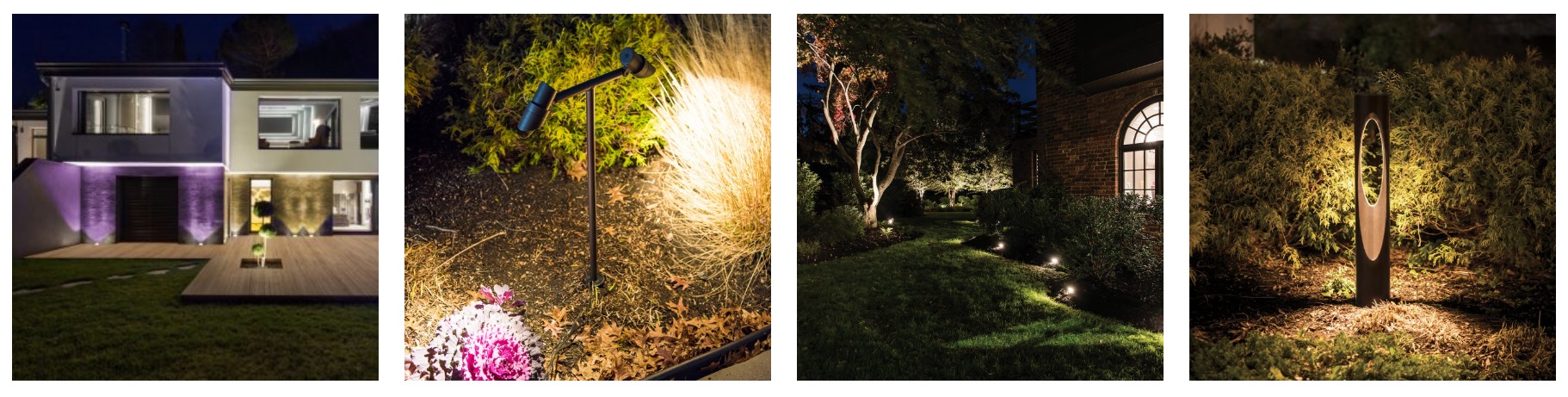
Wac Lighting
- Available to Order | Typically Arrives in 1 - 4 Weeks Ships From New York USA178 – Loyalty Rewards
100 lm LED surface-mount step light · 9 in louvered face · 12V AC black finish · WAC Lighting 4901-27BK
4901-27BK
Available to Order | Typically Arrives in 1 - 4 Weeks Ships From New York USA178 – Loyalty Rewards100 lm LED vertical scoop step light · 120V 3000K 90 CRI · brushed nickel finish · WAC Lighting WL-LED202-30-BN
WL-LED202-30-BN
Available to Order | Typically Arrives in 1 - 4 Weeks Ships From New York USA77 – Loyalty Rewards100 lm Surface-Mount Step Light · 9-15V AC · 3000K Bronze Louver · WAC Lighting 4901-30BZ
4901-30BZ
Available to Order | Typically Arrives in 1 - 4 Weeks Ships From New York USA178 – Loyalty Rewards1000 lm LED wall wash flood light · 12V · 2700K · black finish · WAC Lighting 5021-27BK
5021-27BK
Available to Order | Typically Arrives in 1 - 4 Weeks Ships From New York USA347 – Loyalty Rewards1000 lm Wall Wash Light · 12V · 2700K Bronze Aluminium Housing · WAC Lighting 5021-27BZ
5021-27BZ
Available to Order | Typically Arrives in 1 - 4 Weeks Ships From New York USA347 – Loyalty Rewards1045 lm LED landscape accent spot light · 3000K · adjustable 10° to 60° beam and 2W to 16W output · WAC Lighting 5011-30BK
5011-30BK
Available to Order | Typically Arrives in 1 - 4 Weeks Ships From New York USA302 – Loyalty Rewards105 lm LED path light · 12V · 2700K warm white · black on aluminium · WAC Lighting 6081-27BK
6081-27BK
Available to Order | Typically Arrives in 1 - 4 Weeks Ships From New York USA335 – Loyalty Rewards110 lm LED hardscape light · 6 in · 12V AC · 2700K/3000K selectable · Black on aluminium · WAC Lighting 7062-27/30BK
7062-27/30BK
Available to Order | Typically Arrives in 1 - 4 Weeks Ships From New York USA144 – Loyalty Rewards115 lm LED Step and Wall Light · 120V 3000K 3.9W · Full Round Brushed Nickel · WAC Lighting WL-LED310-C-BN
WL-LED310-C-BN
Available to Order | Typically Arrives in 1 - 4 Weeks Ships From New York USA68 – Loyalty Rewards115 lm LED bollard path light · 12V · 2700K · black aluminium · WAC Lighting 6651-27BK
6651-27BK
Available to Order | Typically Arrives in 1 - 4 Weeks Ships From New York USA419 – Loyalty Rewards115 lm LED path light · 12V · 2700K bronze gate bollard · WAC Lighting 6651-27BZ
6651-27BZ
Available to Order | Typically Arrives in 1 - 4 Weeks Ships From New York USA419 – Loyalty Rewards115 lm LED step and wall light 120V 3000K · circular face bronze finish · WAC Lighting WL-LED310-C-BZ
WL-LED310-C-BZ
Available to Order | Typically Arrives in 1 - 4 Weeks Ships From New York USA68 – Loyalty Rewards115 lm LED step and wall light · 120V 3000K 3.9W · round white finish · WAC Lighting WL-LED310-C-WT
WL-LED310-C-WT
Available to Order | Typically Arrives in 1 - 4 Weeks Ships From New York USA68 – Loyalty Rewards- Edmonton Stock: 4
120 lm Path Light · 12V · 2700K Bronze Aluminium Housing · WAC Lighting 6091-27BZ
6091-27BZ
Available to Order | Typically Arrives in 1 - 4 Weeks Ships From New York USA335 – Loyalty Rewards- Edmonton Stock: 2
- Edmonton Stock: 6
1330 lm Landscape Accent Light · 12V · 2700K · Adjustable Beam and Output · Bronze · WAC Lighting 5011-27BZ
5011-27BZ
Available to Order | Typically Arrives in 1 - 4 Weeks Ships From New York USA302 – Loyalty Rewards135 lm LED bollard path light · 12V · 2700K warm white · black aluminium · WAC Lighting 6611-27BK
6611-27BK
Available to Order | Typically Arrives in 1 - 4 Weeks Ships From New York USA934 – Loyalty Rewards140 lm LED 12V Bollard Light · 2700K Warm White · IP66 Wet Location · WAC Lighting 6641-27BK
6641-27BK
Available to Order | Typically Arrives in 1 - 4 Weeks Ships From New York USA621 – Loyalty Rewards150 lm Area Path Light · 12V · 2700K · 7-1/2 in Dome · Black · WAC Lighting 6011-27BK
6011-27BK
Available to Order | Typically Arrives in 1 - 4 Weeks Ships From New York USA321 – Loyalty Rewards150 lm LED path and area light · 12V · 2700K bronze finish · WAC Lighting 6011-27BZ
6011-27BZ
Available to Order | Typically Arrives in 1 - 4 Weeks Ships From New York USA321 – Loyalty Rewards150 lm LED path light · 12V · 3000K black area light · WAC Lighting 6011-30BK
6011-30BK
Available to Order | Typically Arrives in 1 - 4 Weeks Ships From New York USA321 – Loyalty Rewards1500 lm Adjustable Beam 12V Landscape Wall Wash · 3000K Black on Aluminum · Rotatable Head · WAC Lighting 5221-30BK
5221-30BK
Available to Order | Typically Arrives in 1 - 4 Weeks Ships From New York USA472 – Loyalty Rewards155 lm Inground Light · 2 in Slim Round · Hex Louver, 2700K, 9-15V · WAC Lighting 2012-27SS
2012-27SS
Available to Order | Typically Arrives in 1 - 4 Weeks Ships From New York USA285 – Loyalty Rewards155 lm Inground Square Indicator Light · 2 in 12V 2700K · Honeycomb Louver Stainless Steel · WAC Lighting 2052-27SS
2052-27SS
Available to Order | Typically Arrives in 1 - 4 Weeks Ships From New York USA318 – Loyalty Rewards155 lm Inground Well Light 2 in · 2700K · Hex Louver · Stainless Steel · WAC Lighting 2022-27SS
2022-27SS
Available to Order | Typically Arrives in 1 - 4 Weeks Ships From New York USA285 – Loyalty Rewards1550 lm LED landscape wall wash · 120V 2700K 25W · adjustable beam and rotatable head · WAC Lighting 5222-27BK
5222-27BK
Available to Order | Typically Arrives in 1 - 4 Weeks Ships From New York USA536 – Loyalty Rewards1550 lm LED landscape wall wash · 120V 2700K bronze · adjustable beam rotating head · WAC Lighting 5222-27BZ
5222-27BZ
Available to Order | Typically Arrives in 1 - 4 Weeks Ships From New York USA536 – Loyalty Rewards1550 lm LED landscape wall wash · 120V 3000K · adjustable beam, black finish · WAC Lighting 5222-30BK
5222-30BK
Available to Order | Typically Arrives in 1 - 4 Weeks Ships From New York USA536 – Loyalty Rewards1550 lm Wall Wash Landscape Light · 120V 3000K Bronze on Aluminium · Adjustable Beam Rotating Head · WAC Lighting 5222-30BZ
5222-30BZ
Available to Order | Typically Arrives in 1 - 4 Weeks Ships From New York USA536 – Loyalty Rewards16 lm LED step and wall light · 12V · vertical louver bronze finish · WAC Lighting 4061-30BZ
4061-30BZ
Available to Order | Typically Arrives in 1 - 4 Weeks Ships From New York USA154 – Loyalty Rewards16 lm LED step and wall light · 2700K 9-15V · vertical louver black finish · WAC Lighting 4061-27BK
4061-27BK
Available to Order | Typically Arrives in 1 - 4 Weeks Ships From New York USA154 – Loyalty Rewards165 lm Inground LED Light · 2 in Slim Round · Honeycomb Louver, 3000K, 12V, Stainless Steel · WAC Lighting 2012-30SS
2012-30SS
Available to Order | Typically Arrives in 1 - 4 Weeks Ships From New York USA285 – Loyalty Rewards165 lm LED inground light · 2 in round · honeycomb louver · 12V 3000K stainless steel · WAC Lighting 2022-30SS
2022-30SS
Available to Order | Typically Arrives in 1 - 4 Weeks Ships From New York USA285 – Loyalty Rewards17 lm LED Step Light · 2700K · Vertical Scoop · Black · WAC Lighting 4021-27BK
4021-27BK
Available to Order | Typically Arrives in 1 - 4 Weeks Ships From New York USA165 – Loyalty Rewards17 lm LED Step Light · 3000K · Vertical Scoop · Bronze on Aluminium · WAC Lighting 4021-30BZ
4021-30BZ
Available to Order | Typically Arrives in 1 - 4 Weeks Ships From New York USA165 – Loyalty Rewards17 lm LED Step and Wall Light · 2700K Warm White · Vertical Rectangle Bronze Finish · WAC Lighting 4021-27BZ
4021-27BZ
Available to Order | Typically Arrives in 1 - 4 Weeks Ships From New York USA165 – Loyalty Rewards17 lm LED Vertical Step Light · 3000K · 9-15VAC low voltage, black on aluminium · WAC Lighting 4021-30BK
4021-30BK
Available to Order | Typically Arrives in 1 - 4 Weeks Ships From New York USA165 – Loyalty Rewards17 lm LED horizontal step light · 2700K warm white · bronze on brass · WAC Lighting 4011-27BBR
4011-27BBR
Available to Order | Typically Arrives in 1 - 4 Weeks Ships From New York USA196 – Loyalty Rewards17 lm LED step and wall light · 9-15VAC · vertical louver bronze finish · WAC Lighting 4061-27BZ
4061-27BZ
Available to Order | Typically Arrives in 1 - 4 Weeks Ships From New York USA154 – Loyalty Rewards- Edmonton Stock: 2
17 lm Step Light · 2700K 12V · Horizontal Louver Black Finish · WAC Lighting 4051-27BK
4051-27BK
Available to Order | Typically Arrives in 1 - 4 Weeks Ships From New York USA154 – Loyalty Rewards17 lm Step Light · 2700K · Horizontal Rectangle Scoop, Bronze on Aluminium · WAC Lighting 4011-27BZ
4011-27BZ
Available to Order | Typically Arrives in 1 - 4 Weeks Ships From New York USA165 – Loyalty Rewards17 lm Step and Wall Light · 3000K · Horizontal Rectangle, Black on Aluminum · WAC Lighting 4011-30BK
4011-30BK
Available to Order | Typically Arrives in 1 - 4 Weeks Ships From New York USA165 – Loyalty Rewards170 lm LED inground indicator light · 2 in round · 3000K 12V stainless steel · WAC Lighting 2011-30SS
2011-30SS
Available to Order | Typically Arrives in 1 - 4 Weeks Ships From New York USA285 – Loyalty Rewards170 lm LED inground light · 2 in square · 3000K honeycomb louver · WAC Lighting 2052-30SS
2052-30SS
Available to Order | Typically Arrives in 1 - 4 Weeks Ships From New York USA318 – Loyalty Rewards170 lm Path Light · 12V 3000K · 7.5 in Dome Bronze Finish · WAC Lighting 6011-30BZ
6011-30BZ
Available to Order | Typically Arrives in 1 - 4 Weeks Ships From New York USA321 – Loyalty Rewards18 lm LED Step and Wall Light · 9-15V · 3000K Horizontal Louver Bronze · WAC Lighting 4051-30BZ
4051-30BZ
Available to Order | Typically Arrives in 1 - 4 Weeks Ships From New York USA154 – Loyalty Rewards18 lm LED Step and Wall Light · 9-15VAC · Horizontal Louver Bronze Finish · WAC Lighting 4051-27BZ
4051-27BZ
Available to Order | Typically Arrives in 1 - 4 Weeks Ships From New York USA154 – Loyalty Rewards190 lm LED linear path light · 12V · 2700K bronze on aluminium · WAC Lighting 6401-27BZ
6401-27BZ
Available to Order | Typically Arrives in 1 - 4 Weeks Ships From New York USA233 – Loyalty Rewards190 lm Linear Path Light · 12V · 2700K · Black on Aluminium · WAC Lighting 6401-27BK
6401-27BK
Available to Order | Typically Arrives in 1 - 4 Weeks Ships From New York USA233 – Loyalty Rewards190-980 lm LED landscape wall wash flood light · 3000K · 12V with integral dimmer, black aluminium · WAC Lighting 5021-30BK
5021-30BK
Available to Order | Typically Arrives in 1 - 4 Weeks Ships From New York USA347 – Loyalty Rewards2 lm LED Step & Wall Light · 2700K · 9-15VAC Vertical Rectangle · Black on Aluminum · WAC Lighting 4041-27BK
4041-27BK
Available to Order | Typically Arrives in 1 - 4 Weeks Ships From New York USA159 – Loyalty Rewards2 lm LED Step and Wall Light · 9-15VAC 3000K · Vertical Rectangle Bronze on Aluminum · WAC Lighting 4041-30BZ
4041-30BZ
Available to Order | Typically Arrives in 1 - 4 Weeks Ships From New York USA159 – Loyalty Rewards2 lm LED step light · 3000K · 9-15V AC vertical rectangle, black · WAC Lighting 4041-30BK
4041-30BK
Available to Order | Typically Arrives in 1 - 4 Weeks Ships From New York USA159 – Loyalty Rewards200-1500 lm Adjustable Beam Landscape Wall Wash, 2700K, 9-15V AC, Black · WAC Lighting 5221-27BK
5221-27BK
Available to Order | Typically Arrives in 1 - 4 Weeks Ships From New York USA472 – Loyalty Rewards225 lm Inground Indicator Light · 2 in Square · 2700K 12V Stainless Steel · WAC Lighting 2051-27SS
2051-27SS
Available to Order | Typically Arrives in 1 - 4 Weeks Ships From New York USA318 – Loyalty Rewards225 lm LED inground light · 2 in round slim · 2700K 12V stainless steel · WAC Lighting 2011-27SS
2011-27SS
Available to Order | Typically Arrives in 1 - 4 Weeks Ships From New York USA285 – Loyalty Rewards

Quick Decision Summary
- WAC Lighting is commonly specified for architectural and landscape lighting where fixture appearance, beam control, and system matching matter.
- Typical product groups in this category include path lights, spot lights, transformers, and deck lights.
- For most projects, selection starts with application, beam spread, mounting style, finish, and transformer capacity rather than fixture appearance alone.
- Low-voltage landscape systems need attention to voltage drop, cable sizing, and total connected load.
- For retrofit work, matching existing fixture style, colour temperature, and transformer type can reduce callbacks and uneven site appearance.
WAC Lighting is a recognised name in decorative and architectural lighting, and it is often considered for landscape projects that need a cleaner fixture look than basic commodity outdoor lighting. For contractors, designers, and property managers, the main buying decision is usually not just brand preference. It is whether the fixture family, beam options, finishes, and power components fit the site layout, maintenance plan, and budget. In landscape lighting, that usually means coordinating path lights for circulation areas, spot lights for trees or facade accents, deck lights for steps and structures, and transformers sized for present and future load. Final product selection, layout, and installation should always be verified against the applicable electrical code, manufacturer instructions, and project requirements.
What Are Wac Lighting Products?
WAC Lighting products in this category are outdoor and landscape lighting components used to build low-voltage exterior lighting systems. Typical items include path lights for walkways and planting beds, spot lights for accenting walls, trees, signs, and architectural features, deck lights for stairs and rail structures, and transformers that step line voltage down for low-voltage distribution. In practical trade terms, these products are chosen when the job needs a more finished architectural look, coordinated fixture families, and better control over beam direction and site appearance than a basic flood-and-stake approach.
Where Are Wac Lighting Products Used?
These products are commonly used in residential landscape lighting, multi-unit properties, hospitality spaces, commercial storefronts, outdoor amenity areas, and architectural exterior projects. Path lights are typically used along walkways, garden edges, and entry approaches. Spot lights are used for uplighting trees, columns, stonework, signage, and facade details. Deck lights are often installed on stair risers, posts, handrails, and outdoor living structures where low-glare marker lighting is preferred. Transformers are installed as the system power source and are selected based on total fixture load, cable routing, and expansion allowance. On higher-visibility projects, fixture finish and light distribution are often just as important as raw output.
How To Choose Wac Lighting Products
Start with the lighting task. If the goal is safe pedestrian guidance, path lights and deck lights are usually the first products to review. If the goal is highlighting landscape features or architecture, spot lights are usually the better fit. Next, look at beam spread, aiming flexibility, mounting method, finish, and serviceability. Narrow beams are typically used for taller trees, columns, or tighter accents, while wider beams are more suitable for broader shrubs, walls, or wash effects. For deck and step applications, glare control matters more than maximum output. Transformer selection should be based on total connected wattage, voltage requirements, control needs, and spare capacity for future additions. On projects with long cable runs, cable gauge and run layout can affect fixture performance as much as fixture choice.
Trade Rules Of Thumb
For low-voltage landscape systems, a common rule of thumb is to size the transformer at approximately 125 percent of the connected fixture wattage to allow operating margin and modest future expansion. Another common target is to keep voltage drop below about 10 percent on the run, especially where consistent light output matters. As a rough field guide, 16 AWG cable is often used on shorter lighter-load runs, 14 AWG on medium runs, and 12 AWG where runs are longer or loads are higher, but actual conductor selection depends on the layout and connected load. Path lighting is usually more effective when fixtures are spaced for even guidance rather than maximum brightness. Accent lighting generally looks better when beam spread and aiming are matched to the object being lit instead of simply increasing wattage. These are practical guidelines only and are not a substitute for code review, voltage-drop calculation, or manufacturer instructions.
Sizing Guidelines
Transformer sizing starts with adding the wattage of all connected fixtures on the system, then applying a reasonable margin. If a project has multiple zones, long runs, or future expansion planned, it is often better to separate loads logically rather than pushing one transformer close to its limit. Cable sizing should be reviewed with run length and total load in mind, especially on branch runs feeding several fixtures. For spot lights, sizing is less about fixture wattage alone and more about beam angle, setback distance, and target height. A narrow beam can often produce a stronger visual effect on a tall feature than a wider beam with more wattage. For path and deck lighting, the goal is usually controlled, even illumination without hot spots or glare. Exact sizing should be confirmed from the actual fixture schedule, transformer data, and installation conditions.
Common Installation Practices
Common practice on landscape jobs is to plan fixture locations after dark sightlines are considered, not only from the daytime drawing. Installers often rough in cable routes to minimise visible wiring, reduce unnecessary splices, and keep runs serviceable. Spot lights are usually aimed and adjusted at night to avoid over-lighting trunks, washing out textures, or creating glare into windows and pedestrian areas. Path lights are typically staggered or spaced to guide movement rather than lined up too tightly. Deck lights are commonly mounted where they mark edges and steps without shining directly into the eye. Transformers are usually located where they remain accessible for service and where line-voltage feed, low-voltage distribution, and control wiring can be managed cleanly. Outdoor connections, burial methods, and equipment mounting should follow manufacturer instructions and applicable Canadian electrical requirements.
Common Mistakes
One common mistake is choosing fixtures by appearance only and leaving beam spread, aiming, and transformer loading until later. Another is undersizing the transformer or cable, which can lead to dim fixtures at the end of the run and uneven site appearance. Over-lighting is also common, especially on residential projects where too many path lights or poorly aimed spot lights create glare instead of useful illumination. Mixing colour temperatures or fixture styles without a plan can make the finished installation look inconsistent. On retrofit work, failing to confirm whether the existing system is low voltage, what cable gauge is installed, and whether the transformer has spare capacity can create avoidable rework. For deck and step lighting, poor placement can produce visible glare while still leaving walking surfaces underlit.
Brand Comparisons
WAC Lighting is often cross-shopped where buyers want a more architectural fixture family and a coordinated outdoor lighting look rather than a basic utility-grade landscape package. In practical terms, WAC may be preferred when fixture styling, finish consistency, and beam control are important to the project outcome. On straightforward budget-driven jobs, a simpler landscape lighting line may still be the better fit if the priority is basic illumination at lower installed cost. Where an existing site already uses a different brand family, matching the installed system may be the right choice for finish consistency, replacement parts, and visual continuity. The best comparison is usually application by application: path lights for pedestrian guidance, spot lights for accent work, deck lights for low-glare structure lighting, and transformers for system capacity and control compatibility.
Related Products
Related products commonly considered with WAC Lighting landscape systems include low-voltage landscape cable, direct burial connectors, photocells, timers, control accessories, mounting stakes, junction boxes, weatherproof covers, and replacement lamps or integrated fixture accessories where applicable. Buyers also commonly review adjacent landscape lighting categories such as path lights, spot lights, transformers, and deck lights together because system performance depends on how these components work as a package. For complete project planning, it is also useful to review mounting hardware, cable protection methods, and any controls needed for scheduling or dusk-to-dawn operation.
Frequently Asked Questions
Is WAC Lighting mainly used for landscape lighting?
WAC Lighting covers more than one lighting segment, but on this page the focus is landscape and outdoor applications such as path lights, spot lights, deck lights, and transformers. These are commonly used where appearance and beam control matter.
How do I choose between a path light and a spot light?
Choose a path light when the goal is guiding pedestrians along walkways or garden edges with controlled downward light. Choose a spot light when the goal is accenting a tree, wall, sign, or architectural feature with directional light.
How much transformer capacity should I allow?
A typical rule of thumb is to total the connected fixture wattage and allow extra capacity, often around 25 percent, for operating margin and modest future additions. Final sizing should be based on the actual fixture schedule and run layout.
Do low-voltage landscape lights need voltage-drop planning?
Yes. Voltage drop is a common cause of uneven brightness, especially on longer runs or systems with undersized cable. Cable gauge, run length, and fixture load should be reviewed before installation.
Are deck lights enough to light stairs and outdoor structures?
They can be effective for marking edges, risers, and transitions, but they are usually selected for low-glare guidance rather than broad area lighting. Many projects use deck lights together with other fixtures for a balanced result.
Can I add more fixtures later to an existing landscape lighting system?
Often yes, but only if the transformer has spare capacity, the cable is suitable for the added load, and voltage drop remains acceptable. Existing system condition and compatibility should be checked before expanding the installation.
Quick Decision Summary
- WAC Lighting is commonly specified for architectural and landscape lighting where fixture appearance, beam control, and system matching matter.
- Typical product groups in this category include path lights, spot lights, transformers, and deck lights.
- For most projects, selection starts with application, beam spread, mounting style, finish, and transformer capacity rather than fixture appearance alone.
- Low-voltage landscape systems need attention to voltage drop, cable sizing, and total connected load.
- For retrofit work, matching existing fixture style, colour temperature, and transformer type can reduce callbacks and uneven site appearance.
WAC Lighting is a recognised name in decorative and architectural lighting, and it is often considered for landscape projects that need a cleaner fixture look than basic commodity outdoor lighting. For contractors, designers, and property managers, the main buying decision is usually not just brand preference. It is whether the fixture family, beam options, finishes, and power components fit the site layout, maintenance plan, and budget. In landscape lighting, that usually means coordinating path lights for circulation areas, spot lights for trees or facade accents, deck lights for steps and structures, and transformers sized for present and future load. Final product selection, layout, and installation should always be verified against the applicable electrical code, manufacturer instructions, and project requirements.
What Are Wac Lighting Products?
WAC Lighting products in this category are outdoor and landscape lighting components used to build low-voltage exterior lighting systems. Typical items include path lights for walkways and planting beds, spot lights for accenting walls, trees, signs, and architectural features, deck lights for stairs and rail structures, and transformers that step line voltage down for low-voltage distribution. In practical trade terms, these products are chosen when the job needs a more finished architectural look, coordinated fixture families, and better control over beam direction and site appearance than a basic flood-and-stake approach.
Where Are Wac Lighting Products Used?
These products are commonly used in residential landscape lighting, multi-unit properties, hospitality spaces, commercial storefronts, outdoor amenity areas, and architectural exterior projects. Path lights are typically used along walkways, garden edges, and entry approaches. Spot lights are used for uplighting trees, columns, stonework, signage, and facade details. Deck lights are often installed on stair risers, posts, handrails, and outdoor living structures where low-glare marker lighting is preferred. Transformers are installed as the system power source and are selected based on total fixture load, cable routing, and expansion allowance. On higher-visibility projects, fixture finish and light distribution are often just as important as raw output.
How To Choose Wac Lighting Products
Start with the lighting task. If the goal is safe pedestrian guidance, path lights and deck lights are usually the first products to review. If the goal is highlighting landscape features or architecture, spot lights are usually the better fit. Next, look at beam spread, aiming flexibility, mounting method, finish, and serviceability. Narrow beams are typically used for taller trees, columns, or tighter accents, while wider beams are more suitable for broader shrubs, walls, or wash effects. For deck and step applications, glare control matters more than maximum output. Transformer selection should be based on total connected wattage, voltage requirements, control needs, and spare capacity for future additions. On projects with long cable runs, cable gauge and run layout can affect fixture performance as much as fixture choice.
Trade Rules Of Thumb
For low-voltage landscape systems, a common rule of thumb is to size the transformer at approximately 125 percent of the connected fixture wattage to allow operating margin and modest future expansion. Another common target is to keep voltage drop below about 10 percent on the run, especially where consistent light output matters. As a rough field guide, 16 AWG cable is often used on shorter lighter-load runs, 14 AWG on medium runs, and 12 AWG where runs are longer or loads are higher, but actual conductor selection depends on the layout and connected load. Path lighting is usually more effective when fixtures are spaced for even guidance rather than maximum brightness. Accent lighting generally looks better when beam spread and aiming are matched to the object being lit instead of simply increasing wattage. These are practical guidelines only and are not a substitute for code review, voltage-drop calculation, or manufacturer instructions.
Sizing Guidelines
Transformer sizing starts with adding the wattage of all connected fixtures on the system, then applying a reasonable margin. If a project has multiple zones, long runs, or future expansion planned, it is often better to separate loads logically rather than pushing one transformer close to its limit. Cable sizing should be reviewed with run length and total load in mind, especially on branch runs feeding several fixtures. For spot lights, sizing is less about fixture wattage alone and more about beam angle, setback distance, and target height. A narrow beam can often produce a stronger visual effect on a tall feature than a wider beam with more wattage. For path and deck lighting, the goal is usually controlled, even illumination without hot spots or glare. Exact sizing should be confirmed from the actual fixture schedule, transformer data, and installation conditions.
Common Installation Practices
Common practice on landscape jobs is to plan fixture locations after dark sightlines are considered, not only from the daytime drawing. Installers often rough in cable routes to minimise visible wiring, reduce unnecessary splices, and keep runs serviceable. Spot lights are usually aimed and adjusted at night to avoid over-lighting trunks, washing out textures, or creating glare into windows and pedestrian areas. Path lights are typically staggered or spaced to guide movement rather than lined up too tightly. Deck lights are commonly mounted where they mark edges and steps without shining directly into the eye. Transformers are usually located where they remain accessible for service and where line-voltage feed, low-voltage distribution, and control wiring can be managed cleanly. Outdoor connections, burial methods, and equipment mounting should follow manufacturer instructions and applicable Canadian electrical requirements.
Common Mistakes
One common mistake is choosing fixtures by appearance only and leaving beam spread, aiming, and transformer loading until later. Another is undersizing the transformer or cable, which can lead to dim fixtures at the end of the run and uneven site appearance. Over-lighting is also common, especially on residential projects where too many path lights or poorly aimed spot lights create glare instead of useful illumination. Mixing colour temperatures or fixture styles without a plan can make the finished installation look inconsistent. On retrofit work, failing to confirm whether the existing system is low voltage, what cable gauge is installed, and whether the transformer has spare capacity can create avoidable rework. For deck and step lighting, poor placement can produce visible glare while still leaving walking surfaces underlit.
Brand Comparisons
WAC Lighting is often cross-shopped where buyers want a more architectural fixture family and a coordinated outdoor lighting look rather than a basic utility-grade landscape package. In practical terms, WAC may be preferred when fixture styling, finish consistency, and beam control are important to the project outcome. On straightforward budget-driven jobs, a simpler landscape lighting line may still be the better fit if the priority is basic illumination at lower installed cost. Where an existing site already uses a different brand family, matching the installed system may be the right choice for finish consistency, replacement parts, and visual continuity. The best comparison is usually application by application: path lights for pedestrian guidance, spot lights for accent work, deck lights for low-glare structure lighting, and transformers for system capacity and control compatibility.
Related Products
Related products commonly considered with WAC Lighting landscape systems include low-voltage landscape cable, direct burial connectors, photocells, timers, control accessories, mounting stakes, junction boxes, weatherproof covers, and replacement lamps or integrated fixture accessories where applicable. Buyers also commonly review adjacent landscape lighting categories such as path lights, spot lights, transformers, and deck lights together because system performance depends on how these components work as a package. For complete project planning, it is also useful to review mounting hardware, cable protection methods, and any controls needed for scheduling or dusk-to-dawn operation.
Frequently Asked Questions
Is WAC Lighting mainly used for landscape lighting?
WAC Lighting covers more than one lighting segment, but on this page the focus is landscape and outdoor applications such as path lights, spot lights, deck lights, and transformers. These are commonly used where appearance and beam control matter.
How do I choose between a path light and a spot light?
Choose a path light when the goal is guiding pedestrians along walkways or garden edges with controlled downward light. Choose a spot light when the goal is accenting a tree, wall, sign, or architectural feature with directional light.
How much transformer capacity should I allow?
A typical rule of thumb is to total the connected fixture wattage and allow extra capacity, often around 25 percent, for operating margin and modest future additions. Final sizing should be based on the actual fixture schedule and run layout.
Do low-voltage landscape lights need voltage-drop planning?
Yes. Voltage drop is a common cause of uneven brightness, especially on longer runs or systems with undersized cable. Cable gauge, run length, and fixture load should be reviewed before installation.
Are deck lights enough to light stairs and outdoor structures?
They can be effective for marking edges, risers, and transitions, but they are usually selected for low-glare guidance rather than broad area lighting. Many projects use deck lights together with other fixtures for a balanced result.
Can I add more fixtures later to an existing landscape lighting system?
Often yes, but only if the transformer has spare capacity, the cable is suitable for the added load, and voltage drop remains acceptable. Existing system condition and compatibility should be checked before expanding the installation.